The Best Bath Towel Buying Guide (2026)
Prices and picks verified as of September 2026. Independent, reader-supported reviews.


Things to Know Before You Buy
- GSM is the number that matters most. It tells you the towel's weight and density. For most bathrooms, 500 to 700 GSM is the comfortable middle ground between plush and practical.
- Cotton type sets the ceiling. Long-staple cotton (Egyptian, Supima, Turkish) sheds less lint and outlasts generic cotton. A label that names the fiber tells you more than the price does.
- Watch the weight. A 1000 GSM towel feels luxurious, but in a humid bathroom it takes most of a day to air-dry and smells musty within weeks.
- Size is personal. A standard towel runs roughly 27 by 52 inches; a bath sheet is closer to 35 by 70. If you like to wrap your whole body, pay for the larger size.
- Care decides lifespan. Fabric softener, too much detergent, and high heat wreck towels faster than years of use ever will.
A bath towel feels too simple to overthink, right up until you buy the wrong one. You dry off and still feel damp. You find lint on the bathroom floor. After two months the towel goes stiff and sour no matter how you wash it. The price tag warns you about none of this.
You can read a towel in three numbers: its weight in GSM, the cotton it is woven from, and the way you wash it. Get those right and a cheap towel will outlast a pricey one you bought blind.
Below, you will learn what GSM means, how Egyptian, Turkish, Supima, and microfiber differ, how to size a towel, and which washing habits kill one. By the last section you can read any towel listing and know what you are getting.
What You Need to Know
The most useful spec on a towel listing is GSM, grams per square meter. It measures density, which tracks how plush a towel feels and how much water it holds. A thin gym towel sits around 300 to 400 GSM. A standard everyday towel lands in the 450 to 600 range. Past 700 GSM you reach plush, hotel-spa weight, and at 900 or 1000 GSM the towel feels like a blanket.
You pay for that density in dry time. A 1000 GSM towel soaks up more water and feels indulgent, but it stays damp for hours and weighs a ton when wet. In a humid bathroom with weak ventilation, that slow-drying towel turns musty first.
The fiber decides the rest. Mills grade cotton by staple length, the length of each fiber. Long-staple and extra-long-staple cottons, the group that covers Egyptian, Supima, and Turkish, spin into smoother, stronger yarn that pills and sheds less. Short-staple cotton costs less and lints more. Weave counts too: most towels use a looped terry weave, where taller loops give you a softer hand and more surface to pull water off your skin.
GSM tells you how much towel you get. The cotton grade tells you how good it will be. Read both before you read the price.
Types and Categories
The towels you will compare fall into a handful of categories, and the label points you to one of them.
Egyptian cotton is the classic plush choice. Its long fibers, grown in the Nile region, give you a dense, absorbent towel. Watch the label, though, because no strict rule governs the term: a cheap towel marked Egyptian may hold only a sliver of the real fiber. It also dries the slowest of the bunch.
Turkish cotton is the other premium long-staple option. It runs a touch lighter and dries faster than Egyptian, so you get a luxurious feel without a towel that stays damp all day. Supima is American-grown extra-long-staple cotton with strict certification, so you can trust the label more than a generic Egyptian claim.
Growers raise organic cotton without synthetic pesticides, and mills finish it without harsh chemical softeners, which makes it a sensible pick for sensitive skin. Look for a GOTS certification so you know the claim is real, not marketing.
Microfiber plays a different game. Spun from polyester and polyamide, it weighs little, dries in a fraction of the time, and packs down small. It earns its place in the gym bag, the suitcase, or a beach bag, yet it never feels as soft against your skin as cotton, and you may dislike its grabby texture. Last, budget cotton blends cover the mass-market towels most households buy. They serve you fine; expect them to go flat sooner than a long-staple towel.
How to Choose
Start with how you live. In a warm, well-ventilated bathroom where you love wrapping up in something thick, a heavyweight 700-plus GSM Egyptian or organic cotton towel turns every shower into a small luxury. In a small, humid bathroom with weak airflow, drop to a 450 to 600 GSM Turkish or quick-dry cotton towel that sheds water before it can smell.
Then weigh the household. A family with kids runs piles of laundry, so durability and price per towel beat a plush hand; buy a mid-weight cotton set in multiples. For a guest bathroom you rarely touch, splurge on a couple of premium towels that look great and seldom hit the wash. For the gym or travel, skip cotton and buy microfiber for the fast dry time and small pack size.
Get the size right, because you will regret it most if you guess. A standard bath towel runs roughly 27 by 52 inches, fine for drying off but skimpy if you like to wrap your whole body. A bath sheet runs around 35 by 70 inches, the upgrade you will wish you had bought. Remember that a bigger towel in a heavy GSM is a lot of fabric to wash and dry.
Read the fiber claim with skepticism. A certified label such as Supima, GOTS organic, or a stated percentage of long-staple cotton beats a vague "Egyptian" or "luxury" sticker. Ignore the color when you decide; darker dyes can bleed in the first few washes, so wash new towels on their own the first time whatever you pick.
Common Mistakes to Avoid
The fastest way to ruin a towel is fabric softener. The name promises softness, but the softener coats the cotton loops in a waxy film that destroys their grip on water. After a few cycles your plush new towel pushes water around instead of soaking it up. Keep softener off your towels.
The second mistake is buying on weight alone. You see 1000 GSM, assume bigger is better, and end up with a towel that never dries in your bathroom and turns musty within weeks. Match the GSM to your space and airflow rather than to the biggest number on the listing.
A third trap is trusting the word "Egyptian" or "luxury" with no certification behind it. Regulators leave those terms loose, and a budget towel can carry them while holding a thread of real long-staple cotton. Look for a stated fiber percentage or a recognized certification instead.
Last, wash the towel before you use it. New towels arrive coated in manufacturing finishes that repel water, which is why a brand-new towel barely seems to work. Do not pack the dryer or run it on high heat either; that scorches the fibers and flattens the loops faster than anything. Smaller loads on medium heat keep towels fluffy for years.
Care and Maintenance
Care for a new towel before you use it. Run it once with about a cup of white vinegar and no detergent. The vinegar strips the factory coating that repels water and sets the dye so colors bleed less later. After that, the towel soaks up water the way it should.
For regular loads, use about half the detergent you think you need. Excess detergent never rinses clean and builds up in the loops, which leaves towels stiff and thirsty. Wash on warm for everyday loads, and save a hot cycle for a towel that smells or has been near illness. A vinegar rinse a few times a year clears the buildup and the musty smell.
Drying makes or breaks a towel. Shake it out before it goes in the dryer to fluff the loops, run it on medium heat, and pull it while a little damp instead of baking it bone-dry. High heat and over-drying flatten the pile and cut a towel's life short. If you have the room, line-drying keeps cotton fresh, though it leaves the fabric crisp, so a short tumble afterward softens it back up.
Between washes, hang towels spread out so air moves through them, not bunched on a hook where damp fabric grows odor. Wash a quality towel every three or four uses, dry it on medium heat, and it stays soft for years.
Our Top Picks
If you would rather skip the comparison and buy something solid, pick from these three towels that match the advice above: one plush, one value, one quick-dry. We checked the prices in June 2026, and they shift over time on Amazon.
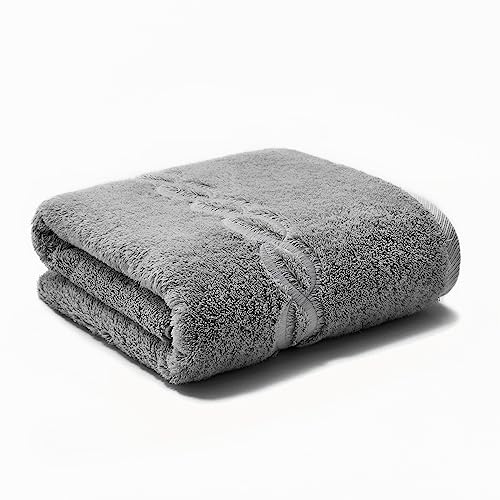
Editor's Pick
Superior 1000 Gram Grey Egyptian
Buy this heavyweight 1000-gram Egyptian cotton towel if you want maximum plush and have a well-ventilated bathroom for the longer dry time.
$48.99
Check Price on Amazon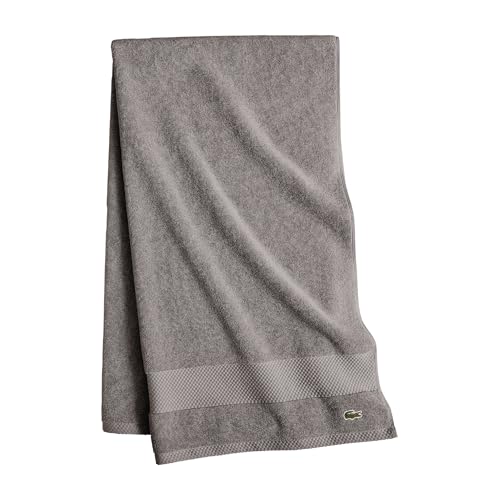
Best Value
Lacoste Heritage Anti-Microbial Supima Cotton
Mid-weight Supima cotton with an anti-microbial finish. It balances soft feel against price, which suits an everyday bathroom.
$34.01
Check Price on Amazon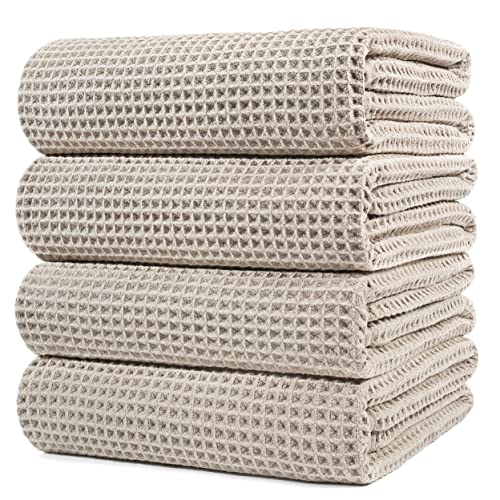
Premium Choice
POLYTE 430 GSM Microfiber Oversize
An oversize 430 GSM microfiber towel that dries fast and packs small. Reach for it at the gym, on the road, or in a humid bathroom where cotton stays damp.
$41.89
Check Price on AmazonFrequently Asked Questions
What is a good GSM for a bath towel?
For everyday use, 500 to 700 GSM hits the sweet spot between a plush feel and a reasonable dry time. Below 400 GSM, towels feel thin but dry fast and pack small, which works for the gym. Above 700 GSM you get a heavy, luxurious towel that takes longer to dry and fights you in the wash in a humid bathroom.
Why does my new towel not absorb water?
Mills coat new towels with softeners, sizing, or silicone during manufacturing, and that coating repels water. Wash the towel once with a cup of white vinegar and no detergent before first use to strip the finish, and it soaks up water from then on.
Is Egyptian or Turkish cotton better?
Both are long-staple cottons that make excellent towels. Egyptian cotton runs denser and more plush but dries slower; Turkish cotton runs lighter and dries faster. Choose Egyptian if you want maximum softness and have good ventilation. Choose Turkish if you want a faster dry that still feels premium.
How often should I replace my bath towels?
Wash and dry a good cotton towel with care and it lasts about two to three years before it loses loft and smells musty no matter what you do. Microfiber and budget towels go flat sooner, often within a year of regular use.
Should I use fabric softener on towels?
No. Fabric softener leaves a waxy coating on the cotton loops that ruins their absorbency, so the towel pushes water around instead of soaking it up. Keep towels soft with less detergent and a cup of white vinegar in the rinse every few washes.
Verdict
A good bath towel answers three honest questions: how plush do you want it, what is it made of, and how will you wash it. Pick a GSM that matches your bathroom instead of chasing the biggest number. Choose a certified long-staple cotton like Supima or Turkish if you want it to last, and choose microfiber when a fast dry and a small pack beat a soft hand. Then guard the towel by skipping fabric softener, using less detergent, and drying on medium heat. Do those few things and a modest towel stays soft for years, while a careless owner wrecks an expensive one in a season. You will be happiest with the towel whose weight, fiber, and size fit your home and your laundry habits, not the one with the highest price.