

Things to Know Before You Buy
- Fabric softener is a leading cause of towel odor. It coats fibers in a waxy film that traps moisture instead of releasing it.
- Vinegar and baking soda need separate wash cycles. Combined in the same load, they cancel each other out chemically.
- Oxygen bleach works on colors and whites, while chlorine bleach is safe only for plain white cotton.
- Damp towels left folded or balled up redevelop odor within hours, so full drying matters as much as the wash itself.
- Washing every three uses, rather than waiting for towels to feel dirty, prevents the buildup that causes smell in the first place.
Knowing how to clean bath towels that smell starts with understanding why regular washing stopped working: detergent and fabric softener residue have built up in the fibers, and that residue is now trapping the moisture that feeds bacteria and mildew. A towel pulled fresh from the dryer shouldn't smell sour by the time it dries you off again, and if yours does, the fix is not more detergent. It is a strip wash that removes what's already coating the fabric.
The method below uses three household staples, vinegar, baking soda, and oxygen bleach, run in a specific order so each one does a distinct job instead of competing in the same load. Most towels come back odor-free after the first two steps. Towels that have been smelling musty for weeks need the oxygen bleach soak in step three before the smell fully lifts. Either way, the last step matters most: the drying and washing habits that keep the odor from coming back.
What You'll Need
Gather these odor-removal staples before you start the wash. Every item on this list is already in most kitchens or laundry closets, so there's no special product to buy.
- Supplies: white distilled vinegar, baking soda, oxygen bleach powder
- Tools: washing machine, large bucket or clean sink
Step 1: Strip detergent buildup with a hot vinegar wash
Load the smelly towels into the washing machine alone, without any other laundry, and set it to the hottest water setting the fabric allows. Pour two cups of white distilled vinegar directly into the drum or detergent dispenser and skip the detergent entirely for this cycle. The vinegar's acidity dissolves the mineral deposits and detergent film that have coated the fibers and trapped odor-causing bacteria against the fabric.
This step alone resolves mild odor in towels that have only recently started to smell. If you're addressing how to clean bath towels that smell after months of neglect, expect this wash to loosen the buildup rather than eliminate it completely, which is why the next two steps exist. Run the full cycle, including the rinse, before moving on.
Avoid the temptation to add detergent to this same load. Detergent and vinegar work against each other chemically, and mixing them weakens the vinegar's ability to break down the residue you're trying to remove.
Step 2: Neutralize odor with a baking soda cycle
Run the same towels through a second hot wash, this time adding half a cup of baking soda to the drum along with your regular detergent. Baking soda neutralizes the acidic and sulfur-based compounds that bacteria leave behind, which is the actual source of the musty smell rather than dirt itself.
Because the vinegar wash already stripped the heaviest buildup, the detergent in this cycle can finally do its job instead of getting blocked by residue. You should notice a clear difference in smell as soon as the cycle ends, even before the towels are dry.
Keep the two treatments in separate cycles. Baking soda and vinegar react together and fizz, which cancels out the cleaning power of both instead of combining their effects.
Step 3: Soak stubborn mildew smell in oxygen bleach
If the towels still smell musty after steps one and two, fill a bucket or clean sink with warm water and dissolve oxygen bleach powder according to the package directions, usually one scoop per gallon. Submerge the towels fully and let them soak for four to six hours, or overnight for smells that have set in over weeks.
Oxygen bleach breaks down the mildew and bacterial colonies living deep in the terry loops, the part of the fabric a normal wash cycle often can't fully reach. It works on colored towels as well as white, unlike chlorine bleach, which should only be used on plain white cotton and can fade or weaken dyed and blended fabrics.
After soaking, wring out the excess water and run the towels through one more regular wash cycle with detergent to rinse away the bleach residue completely before drying.
Step 4: Dry towels completely and fast
Transfer the towels to the dryer immediately after the final rinse and run them on high heat until they're completely dry, not just dry to the touch on the surface. Thick terry towels can feel dry on the outside while the core loops still hold moisture, and that trapped dampness is enough to restart mildew growth within a day.
If you prefer air drying, hang each towel separately with space around it so air can move through the fabric, ideally outdoors in direct sun. Sunlight has a mild bleaching and antibacterial effect that speeds up the process and helps prevent the smell from returning.
Whichever method you use, don't let clean towels sit in the washer or a laundry basket once the cycle finishes. Even fully cleaned towels will pick up a mildew smell again if they stay bunched up and damp for more than an hour or two.
Step 5: Break the smell cycle for good
Cut your detergent dose to the amount printed on the bottle for your water hardness and load size. Most washing machine manuals recommend far less detergent than the cap's fill line suggests, and the excess is exactly what builds up into the residue that started this problem. Skip fabric softener on towels entirely, since it coats the fibers in the same way and reduces absorbency along with it.
Wash bath towels every three uses rather than waiting until they look or smell dirty. In a humid bathroom, drop that to every other use. This one habit change does more to prevent recurring odor than any single deep clean, because it stops bacteria from ever getting the days of undisturbed growth they need to establish a smell.
Finally, give each towel room to dry fully between uses by hanging it spread out rather than looping it over a hook in a bunch. A towel that never fully dries between showers will start smelling again no matter how thoroughly you just cleaned it.
Common Mistakes to Avoid
The biggest mistake in learning how to clean bath towels that smell is combining vinegar, baking soda, and detergent all in the same load to save time. Each ingredient neutralizes part of what the others are trying to do, and you end up with towels that still smell after a wash that should have fixed them. Run the steps in separate cycles, even though it takes longer.
Overloading the washing machine is another frequent problem. Towels need room to agitate freely so water and detergent reach every fiber, and a packed drum leaves patches of fabric barely rinsed. Wash towels in smaller loads than you would for lighter laundry, even if that means running the machine twice.
Using too much detergent causes the exact residue buildup this guide is meant to solve. More soap does not mean cleaner towels. It means more film left behind when the rinse cycle can't fully clear it, and that film is what traps the bacteria responsible for the odor.
Skipping the dryer's high heat setting to save energy also backfires here. Lower heat settings can leave thick terry loops slightly damp at the core, and that residual moisture is often enough to bring the smell back within a day, undoing the whole cleaning process.
Finally, don't reach for fabric softener to mask a lingering smell. It adds a waxy coating that reduces absorbency and traps moisture against the fibers, which makes future odor problems worse instead of better.
Our Top Picks
If your current towels never fully recover after the deep clean above, the fibers themselves may be too worn or synthetic-heavy to release moisture properly anymore. These three sets, drawn from verified buyer reviews, favor dense cotton weaves that dry faster and resist the buildup that causes odor in the first place.

Editor's Pick
Maisonette Loft 100% Egyptian Cotton
Dense Egyptian cotton that reviewers say stays absorbent and odor-free through frequent hot washes.
$67.35
Check Price on Amazon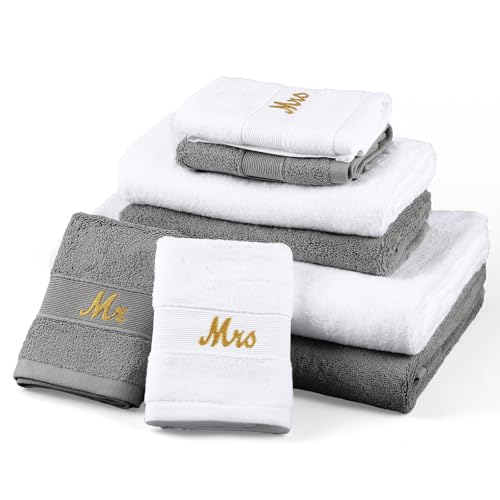
Best Value
Peryiter 6 Pcs Mr and
A six-piece set priced for households that need to rotate towels often enough to prevent odor buildup.
$42.99
Check Price on Amazon
Premium Choice
Preboun 2 Pcs His and
A soft cotton-blend pair that verified owners report holds up well to the hot-water washes odor removal requires.
$23.99
Check Price on AmazonFrequently Asked Questions
Why do bath towels smell even after washing?
Detergent and fabric softener build up in the fibers over repeated washes and trap moisture instead of releasing it. That trapped moisture feeds bacteria and mildew, which produce the sour smell even right out of the machine.
Can I use bleach on smelly bath towels?
Oxygen bleach, sold as OxiClean or a store-brand equivalent, is safe for colored and white towels and breaks down odor-causing residue without weakening the fibers. Chlorine bleach works on white cotton towels only and can yellow synthetic blends or dye.
How often should I wash bath towels to prevent odor?
Wash bath towels every three uses, and sooner in humid bathrooms. Waiting longer gives bacteria more time to multiply in the damp fibers, and that head start is what makes the smell so hard to reverse later.
Does vinegar actually remove towel odor?
Yes. White vinegar dissolves the mineral and detergent residue that traps odor-causing bacteria in the fibers. Run it alone, without detergent, so it can strip the buildup instead of competing with more suds.
Why do my towels smell musty again a day after washing?
Towels that sit damp for more than a few hours, whether balled up in the hamper or folded before they finish drying, redevelop mildew smell fast. Hang each towel with full airflow after use and dry loads completely in the dryer or direct sun.
Verdict
The full method for how to clean bath towels that smell comes down to three separate treatments run in order: a hot vinegar wash to strip residue, a baking soda cycle to neutralize what's left, and an oxygen bleach soak for smells that have set in over weeks. Skip any one step, or combine them into a single load, and the odor tends to come back within days. Complete all three, dry the towels fully, and most sets come out smelling clean at the source rather than temporarily masked.
If a towel still smells musty after this process, the fibers themselves have likely broken down to the point where they can no longer wick moisture away properly, and no wash will fix that. That's the point to replace the set rather than keep treating it. A dense-weave cotton towel like the Maisonette Loft Egyptian cotton pick above resists the buildup that caused the problem in the first place, which means fewer deep-clean sessions and a longer stretch before odor becomes an issue again.