Best How to Wash Bath Towels (2026) | Best Bath Towels
Prices and picks verified as of October 2026. Independent, reader-supported reviews.

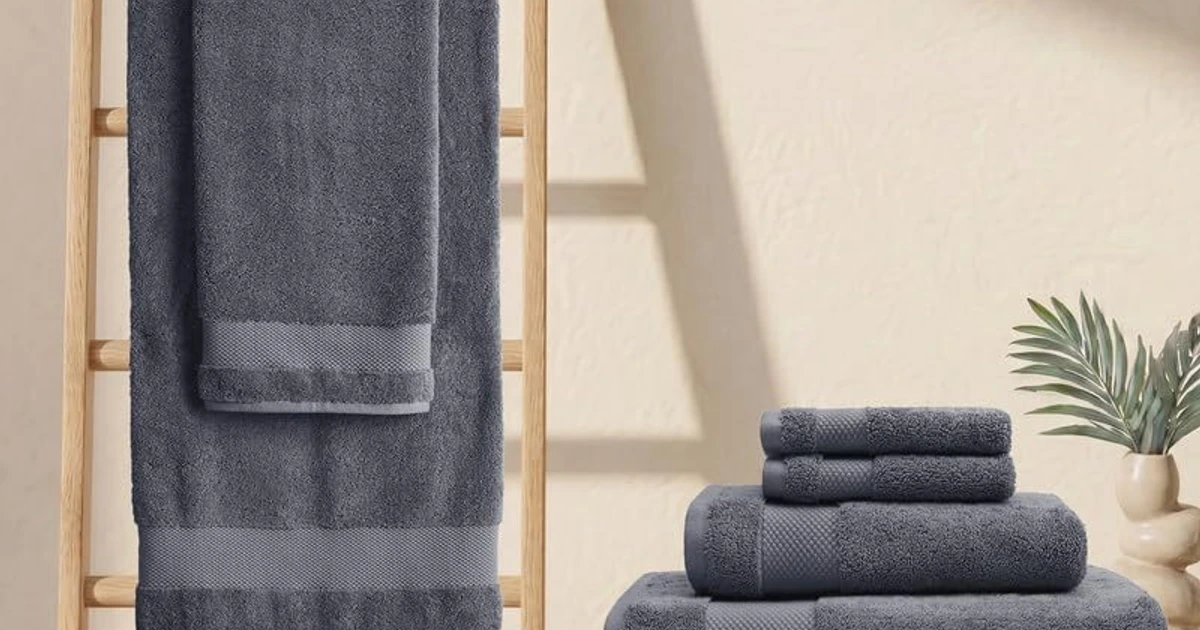
Things to Know Before You Buy
- Less detergent, not more. Towels need about half the soap you would use for clothes. Extra detergent leaves a residue that stiffens the pile and blocks water from soaking in.
- Fabric softener is the enemy of absorbency. It coats cotton with a waxy film, so towels feel plush at first but stop drying you off after a few weeks.
- Warm water wins for everyday loads. Reserve hot water for sanitizing after illness, since repeated hot cycles fade dyes and wear out the fibers faster.
- Heat and time damage towels more than washing does. Over-drying scorches the loops that make a towel soft, so medium heat and a prompt removal keep them fluffy for years.
Learning how to wash bath towels the right way is the difference between a towel that stays soft for years and one that turns scratchy after a month. Most people treat towels like any other laundry, dump in a heavy scoop of detergent, add a splash of softener, and run the hottest setting. That routine coats the cotton and flattens the loops until the absorbency you paid for is gone. You end up rubbing yourself dry with a towel that pushes water around instead of soaking it up.
The good news is that a better routine takes the same amount of effort and costs less, because you use far less detergent and no softener at all. The five steps below walk you through sorting, loading, washing, and drying so your towels come out fluffy and ready to actually dry you off. Follow them and a decent set of cotton towels will last three to five years instead of one.
What You'll Need
- Supplies: Liquid laundry detergent, white distilled vinegar, baking soda (optional, for musty towels)
- Tools: Washing machine, clothes dryer or a drying line, wool dryer balls (optional)
Step 1: Sort and shake out your towels
Start by separating your towels by color. Wash whites with whites and darks with darks, because new colored towels bleed dye for the first several washes and will tint a white load gray or pink. Keep towels in their own load whenever you can, since washing them with clothing means lint clings to your shirts and zippers or buttons snag the loops.
Before you load anything, give each towel a firm shake over the laundry basket or outside the door. This knocks loose the hair, dead skin, and lint that build up in the pile. Skip this and that debris ends up clogging your machine's filter and redepositing on the fabric during the rinse.
If a towel has a fresh stain, a dot of detergent rubbed into the spot now beats trying to lift it after a hot dry cycle has set it. Take ten seconds here and the rest of the wash works better.
Step 2: Load the machine without overpacking
Fill the drum about two-thirds full and stop there. A common reason towels come out still smelling musty is that the load is jammed so tight that water and detergent cannot circulate. Towels are thirsty, and a packed drum soaks up most of the water before the agitation can rinse anything clean.
As a rough guide, a standard top-loader handles four to six bath towels, and a front-loader takes five to seven. When you wash bath towels in a load this size, each one gets room to tumble, which is what actually lifts dirt out of the cotton and lets the rinse carry it away.
Leave a hand's width of space at the top of the drum. If you have to cram the last towel in, pull it back out and run a second load. Two right-sized loads clean better than one overstuffed one, and they spin out more water so drying takes less time.
Step 3: Measure detergent and skip the softener
Pour about half the detergent you would use for a normal load of clothes. For a standard towel load that means roughly one tablespoon of concentrated liquid detergent, or fill the cap to the lowest line. Too much soap is the single biggest cause of stiff, crunchy towels, because the cotton traps the excess and it dries into a crust you can feel.
Leave the fabric softener out entirely. Softener works by coating fibers with a thin waxy layer, and on a towel that coating is exactly what stops water from soaking in. After a few washes with softener, you get a towel that feels plush in the cabinet but slides across wet skin without drying you.
To keep towels soft without the coating, pour half a cup of white vinegar into the fabric softener dispenser instead. The vinegar dissolves leftover detergent and mineral buildup, then rinses out completely with no smell. Once a month, add half a cup of baking soda with your detergent to freshen towels that have started to hold a musty odor.
Step 4: Wash on warm with an extra rinse
Set the machine to a normal or cotton cycle and choose warm water, around 104 to 120 degrees Fahrenheit. Warm water dissolves detergent and lifts body oils well without the fading and fiber damage that hot water causes over time. Save the hot setting for when someone in the house has been sick and you need to sanitize.
Add a second rinse if your machine offers one. This step does more than it sounds like it should, because it flushes out the last of the detergent that would otherwise dry into the pile and stiffen it. When you wash bath towels with a single rinse and a heavy detergent dose, that leftover soap is what you feel as roughness later.
Choose a high spin speed at the end of the cycle. A faster spin wrings more water out of the cotton, which shortens drying time and means less heat exposure in the dryer. For organic or premium sets like the BIOWEAVES towels, a gentle warm cycle protects the long-staple fibers while still getting them clean.
Step 5: Dry on medium heat and pull them out promptly
Move the towels to the dryer and run them on medium heat, not the highest setting. High heat scorches the tiny cotton loops that give a towel its softness, and once those loops are damaged they never bounce back. Medium heat takes a few minutes longer but keeps the pile intact wash after wash.
Toss in two or three wool dryer balls. They bounce between the towels, separate the layers, and let warm air move through so everything dries faster and comes out fluffier. They do the job fabric softener sheets pretend to do, without leaving any coating behind.
Pull the towels out the moment the cycle ends. Towels left sitting in a warm, damp drum start to smell within an hour and wrinkle into stiff folds. Fold them right away or hang them to finish air-drying, and store them only once they are completely dry, since even slightly damp towels grow mildew in a closed cabinet.
Common Mistakes to Avoid
Even people who know how to wash bath towels in theory tend to repeat a few habits that quietly wreck the fabric. The first is overdosing on detergent. More soap feels like more cleaning, but the cotton cannot rinse it all out, and the leftover residue is what makes towels stiff and dull. Cut back to half a tablespoon and your towels get cleaner, not dirtier.
The second mistake is reaching for fabric softener every load. You buy softness in the short term and trade away absorbency for good. Once that waxy film builds up, even the plushest cotton stops drying you off.
Washing on hot every time is the third trap. Hot water fades colors, breaks down fibers, and shortens the life of a towel by a year or more. Warm handles daily grime fine, so save hot for sanitizing.
The fourth is over-drying. Running towels until they are bone dry on high heat bakes the loops flat and creates static. Pull them out while they still have a trace of warmth and a bit of give.
The last mistake is leaving wet towels in a heap, in the machine, or folded before they are fully dry. That trapped moisture is what causes the sour, musty smell no amount of detergent fixes once it sets in.
Our Top Picks
A good wash routine only goes so far if the towel itself is cheap and thin. If you are ready to replace a worn-out set, these three hold up well to the gentle, low-detergent care described above and stay absorbent for years. Each one stays soft under that kind of care rather than wearing out the way thin, cheap towels do.
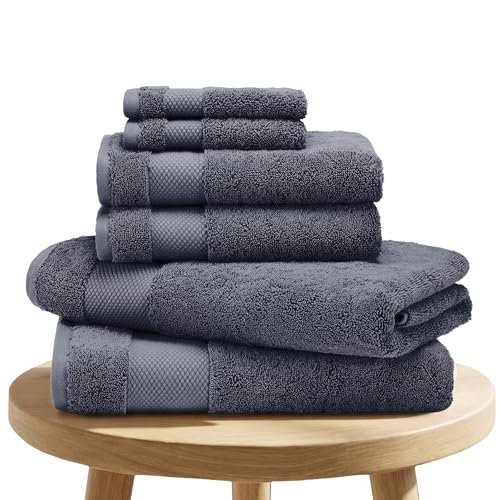
Editor’s Pick
BIOWEAVES 100% Organic Cotton 700
A 700 GSM organic cotton towel that stays soft when you wash it gently and skip the softener. The dense long-staple weave drinks up water and resists the pilling that plagues cheaper cotton.
$69.00
Check Price on Amazon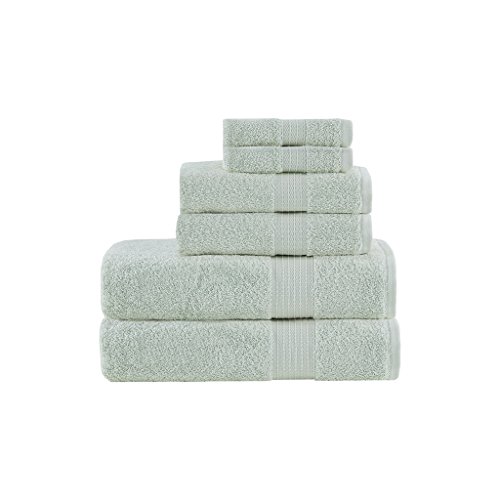
Best Value
Madison Park Organic 100% Cotton
Organic cotton at a friendlier price, and it keeps its loft through weekly washing. A solid choice if you want soft, absorbent towels without paying a premium for the name on the label.
$43.48
Check Price on Amazon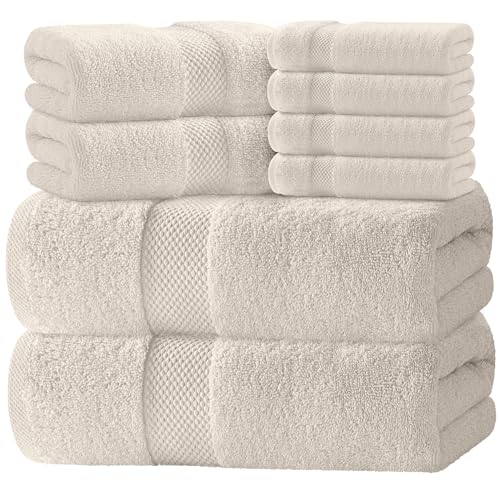
Premium Choice
White Classic Luxury Bath Towel
A hotel-style cotton towel built for heavy rotation, so it shrugs off frequent washing and the occasional hot, sanitizing cycle. The tight weave holds up in busy households where towels get used and washed constantly.
$39.99
Check Price on AmazonFrequently Asked Questions
How often should you wash bath towels?
Wash bath towels after three to four uses, or about once a week if one person uses a towel every day. Hang the towel to dry fully between showers, because a towel that stays damp grows bacteria and turns musty within a day or two. Gym and kitchen towels need washing more often since they pick up more moisture and grime.
What water temperature is best for washing towels?
Use warm water around 104 to 120 degrees Fahrenheit for everyday loads. Warm dissolves detergent and lifts body oils without the fading and fiber wear that hot water causes. Switch to hot only when you need to sanitize towels after someone has been sick, and expect repeated hot washes to shorten the life of the set.
Why are my towels stiff after washing?
Stiff towels almost always come from too much detergent, fabric softener buildup, or over-drying. Cut your detergent to half a tablespoon, stop using softener, and add half a cup of white vinegar to the rinse to strip the residue. Then dry on medium heat with wool dryer balls and the soft feel comes back.
Should you use fabric softener on bath towels?
Skip it. Fabric softener coats cotton with a waxy film that feels soft in the cabinet but blocks the towel from soaking up water. After a few softener washes you get a towel that slides across wet skin instead of drying you. Use white vinegar in the rinse or wool dryer balls in the dryer to keep towels fluffy without the coating.
Can you wash new bath towels before using them?
Wash new towels once before the first use. They leave the factory with a finishing coating that repels water, and a first wash removes it so the towels absorb properly. Add half a cup of white vinegar to that first load to set the colors and strip the coating, and wash new colored towels separately for the first few cycles since they bleed dye.
Verdict
Once you know how to wash bath towels properly, the whole thing comes down to restraint: less detergent, no fabric softener, warm water instead of hot, and medium heat in the dryer. Sort and shake the towels, load the drum two-thirds full, pour half the soap you think you need, add an extra rinse, and pull the towels out the moment they finish drying. That routine costs about eight dollars in supplies and keeps a good cotton set soft and absorbent for three to five years instead of leaving you with stiff, thirsty towels after a single month.
If your current towels are already too far gone to save, the BIOWEAVES 100% Organic Cotton set rewards this gentle routine better than anything else here. Its dense 700 GSM weave stays plush wash after wash, soaks up water fast, and resists the pilling that makes cheaper towels feel rough. Pair a quality towel like the BIOWEAVES with the steps above and a single set will stay soft through years of weekly washing.