Best How to Install Bathroom Towel Bar (2026) | Best Bath Towels
Prices and picks verified as of October 2026. Independent, reader-supported reviews.

Things to Know Before You Buy
- 48 inches is the standard height. Measure from the finished floor to the center of the bar, and drop to 44 inches or lower for a kids bathroom.
- The anchors matter more than the bar. Metal toggle or self-drilling anchors rated for 25 pounds outlast the plastic cones packed in most boxes.
- Studs beat anchors when you can find them. Studs sit 16 inches apart, so most towel bars catch wood on one side at best.
- Tile needs a carbide bit and painter's tape. A standard bit skates across the glaze and chips it before it ever starts a hole.
- Budget 45 minutes and about $15 in parts. Upgraded anchors cost far less than replacing a torn-out towel bar and patching drywall.
This guide walks you through how to install bathroom towel bar hardware in five steps, and the whole job takes about 45 minutes with basic tools. A towel bar looks like the easiest project in the house, yet it ranks among the most common fixtures to get ripped out of drywall within a year. The screws rarely fail. The mounting method does.
I have mounted and remounted towel bars in three apartments, and the pattern repeats: bars anchored into bare drywall with the plastic cones from the box start wobbling within a month of daily tugging. Spend two extra dollars on metal toggle anchors and the bar outlasts the paint. Grab a drill, a level, and a pencil, set aside 45 minutes, and you will hang a bar that survives a decade of wet towels.
What You'll Need
- Supplies: metal toggle or self-drilling drywall anchors rated for 25 pounds, painter's tape, mounting screws (usually packed in the towel bar box)
- Tools: power drill with a 3/16-inch bit, torpedo level, stud finder, Phillips screwdriver, pencil, tape measure
Step 1: Choose the height and mark the mounting points
Standard bathroom towel bar height runs 48 inches from the finished floor to the center of the bar. That number puts the bar within easy reach for most adults and keeps a hanging bath towel clear of the floor. Drop to 44 inches if the bar serves kids, and check the spot against your vanity, light switches, and door swing before you commit.
Hold the bar against the wall at your chosen height and lay a torpedo level on top. Once the bubble centers, mark the screw holes of both mounting posts with a pencil. Stick a strip of painter's tape on the wall first if your paint is dark, since pencil marks vanish on deep colors.
Measure twice here. A bar mounted a half inch off level reads as crooked from across the room, and patching misplaced holes takes longer than the rest of the project combined.
Step 2: Check for studs behind your marks
Run a stud finder across the wall over both pencil marks. A screw driven into a wooden stud holds more weight than any anchor, so a stud behind even one mark strengthens the whole bathroom towel bar installation. Trace the stud edges lightly in pencil so you know where the wood sits.
Expect hollow drywall at one or both marks, because studs sit 16 inches apart and most towel bars span 18 to 24 inches. Plan on anchors for any mark that misses wood. Skip the thin plastic cone anchors that ship in most boxes and buy metal toggle or self-drilling anchors rated for 25 pounds or more.
No stud finder? Knock on the wall with a knuckle. Hollow spots sound deep and boomy, while studs return a short, solid tap. Confirm with a small test hole in a spot the mounting post will cover.
Step 3: Drill the pilot holes and set the anchors
Chuck a 3/16-inch bit into your drill for standard drywall anchors, or whatever size the anchor packaging lists. Drill straight into each pencil mark and keep the bit level so the hole runs perpendicular to the wall. On a mark that hit a stud, switch to a 7/64-inch bit and drill a pilot hole about an inch deep instead.
Tap toggle-style anchors into the holes until the flange sits flush with the drywall, or drive self-drilling anchors in with a Phillips screwdriver. Stop the moment the anchor seats. A crushed or over-driven anchor loses half its grip, which defeats the reason you bought good anchors for this towel bar installation.
Drilling into tile changes the rules. Stick painter's tape over the mark, load a carbide or diamond bit, and run the drill at low speed with light pressure until the bit passes through the glaze. The tape stops the bit from skating across the tile, and the slow speed keeps the glaze from cracking.
Step 4: Screw the mounting posts to the wall
Hold the first mounting post over its anchor, thread the screw through the post, and drive it in until snug. Repeat with the second post. Leave both screws a quarter turn shy of full torque so you can still nudge each post into final position, then finish tightening once both sit flat on the wall.
Snug matters more than tight for a bathroom towel bar. Overtightening cracks the drywall behind the post, strips the anchor threads, and can flex a cheap zinc post out of shape. Once each screw seats and the post stops moving under hand pressure, stop turning.
Some bars ship with a separate wall plate that screws to the wall first, plus a decorative post that slips over it and locks with a setscrew. If yours works this way, mount both plates now and keep the setscrews loose for the next step.
Step 5: Attach the bar and check it with a level
Slide the bar ends onto or into the mounting posts, depending on your model, and tighten the setscrews under each post with the small hex key from the box. Lay the level on the bar one more time before the final tightening, since anchors sometimes shift a hair during installation.
Now load-test your work. Grab the center of the bar and pull down with 10 to 15 pounds of force, about the weight of two soaked bath sheets plus a firm tug. A bar installed on proper anchors will not move. Any flex or creak means an anchor sits loose, and fixing it now takes five minutes instead of a drywall patch later.
Hang your towels and wipe the pencil marks off the wall with a damp cloth. The full towel bar installation, from marking to load test, lands around 45 minutes the first time and closer to 20 once you have done it twice.
Common Mistakes to Avoid
The plastic cone anchors packed in the box cause most towel bar failures. They grip drywall with a few shallow ribs, loosen a little each time someone pulls a towel off the bar, and give out within months in a busy bathroom. Replace them with metal toggle or self-drilling anchors before you start, since swapping anchors after the holes wallow out means patching and redrilling.
Skipping the level ranks second. A bar mounted by eye usually slopes, because bathroom sightlines like grout lines and countertop edges trick your eye into a false horizontal. Two minutes with a torpedo level saves you from a crooked bar you will notice for years. Watch the door swing too. A bar mounted behind a door takes a hit from the handle each time someone swings it open, and each hit works the anchors a little looser.
Overtightening causes quieter damage. Screws driven past snug crush the drywall face and leave the post spinning on a stripped anchor. The setscrews under each post deserve the same restraint, a light quarter turn past contact rather than full torque. And before you drill anywhere you plan to install a bathroom towel bar, think about what runs behind the wall. Supply lines commonly ride through the cavity behind a sink, and a 3/16-inch bit reaches them with little effort.
Our Top Picks
A new towel bar deserves towels that dry fast and hang clean. These three sets earn a spot on the bar you installed, whether you want quick-drying waffle weave or a full matched set for the whole bathroom.

Editor's Pick
Jacquotha Waffle Bath Towels 2-Piece
Waffle weave sheds water fast on a bar, so these dry in a few hours instead of overnight and skip the musty smell that haunts small bathrooms.
$36.95
Check Price on Amazon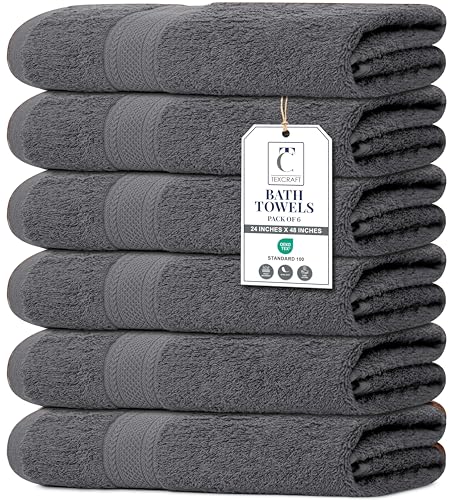
Best Value
TEXCRAFT Medium Size Bath Towels
Medium-size cotton towels at a fair price, light enough that an anchor-mounted bar carries two of them without strain.
$30.99
Check Price on Amazon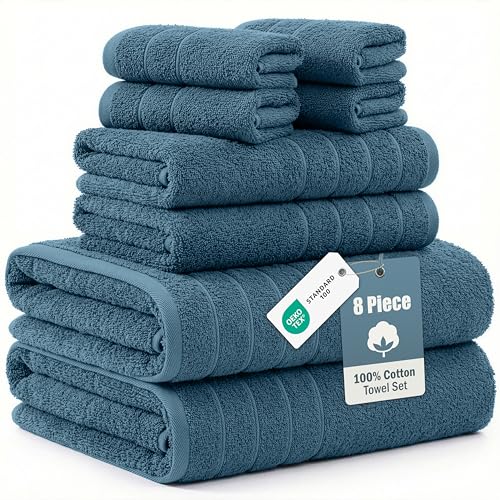
Premium Choice
Casa Platino 8 Pcs 100%
An eight-piece cotton set that outfits the whole bathroom in one match, with bath towels for the bar and hand towels for the ring.
Check Price on AmazonFrequently Asked Questions
What is the right height for a bathroom towel bar?
Mount the bar 48 inches from the finished floor to the center of the bar. That height suits most adults and keeps a hanging bath towel off the floor. Drop to between 36 and 44 inches for a kids bathroom, and check clearance above vanities and toilets before drilling.
Can you install a towel bar without a stud?
Yes. Metal toggle anchors or self-drilling drywall anchors rated for 25 pounds or more will hold a towel bar for years in hollow drywall. Skip the thin plastic cone anchors that ship with most bars, since they loosen under daily tugging and cause most towel bar failures.
How do you install a towel bar on tile?
Cover the mark with painter's tape, load a carbide or diamond drill bit, and drill at low speed with light pressure until the bit clears the glaze. Keep the hammer setting off, because hammering cracks glaze. Once through the tile, switch to a standard bit for the wall behind it.
How much weight does a towel bar need to hold?
A wet bath sheet weighs around 3 pounds, so two towels put roughly 6 pounds of static load on the bar. People also grab and pull on bars while steadying themselves, which spikes the load far past the towel weight. Anchors rated for 25 pounds give you the margin that daily use demands.
Why does a towel bar keep coming loose?
Undersized plastic anchors in hollow drywall are the usual cause. The fix takes 20 minutes: remove the bar, pull the old anchors, and set metal toggle anchors in the same holes if the drywall around them still holds firm. If the holes have wallowed out past anchor size, fill them with setting compound and drill fresh holes an inch to the side.
Verdict
Knowing how to install bathroom towel bar hardware comes down to the right height, the right anchor, and a level check before the final tightening. Mark the bar at 48 inches, hunt for a stud, and when the wall turns up hollow, spend a few dollars on metal toggle anchors instead of trusting the plastic cones in the box. The drilling and screwing take 15 of the 45 minutes. The measuring and checking take the rest, and they decide whether the bar stays put for a decade or wobbles by Labor Day.
Once the hardware holds, hang towels that earn the spot. The Jacquotha waffle weave set dries on the bar in a few hours, so a small bathroom never picks up that damp-towel smell, and the TEXCRAFT set covers a family without crowding the rail. Pull down on the bar one last time before you call the job done. A bar that holds firm under 15 pounds of force will carry wet towels for years.